

Product discovery is the most important area for a Product Manager.
I wrote the first edition of this guide in 2022. The argument was simple. Shipping is slow and expensive, so validate ideas before you build. Every sprint spent on the wrong idea meant two weeks wasted.
That argument is dead. The conclusion survived.
When you can ship an idea the same day you have it, deciding what to ship becomes more important than ever. And speed multiplies waste: a team that shipped 2 bad ideas per sprint can now ship 20 a week, plus the regressions their users feel. You can't throw everything at the wall and see what sticks.
Product discovery is, still, the highest-ROI skill in product management.
In this guide:
Why product discovery matters even more in 2026
What changed: shipping became the cheapest experiment
Who does discovery now: the Product Trio, plus your agents
How to instrument a product you release daily
What stays manual, on purpose
Templates, frameworks, and resources to go deeper
1. Why We Still Need Product Discovery
In product management, most ideas won't work as expected. As Marty Cagan says in Inspired:
"The first truth is that at least half of your ideas are just not going to work."
Good teams assume at least three-quarters of their ideas won't perform as they hope. That's still true in 2026. What changed is how fast, and how cheaply, you find out.
Product management is, at its heart, about managing risk. And for every product, 5 essential risks can materialize:

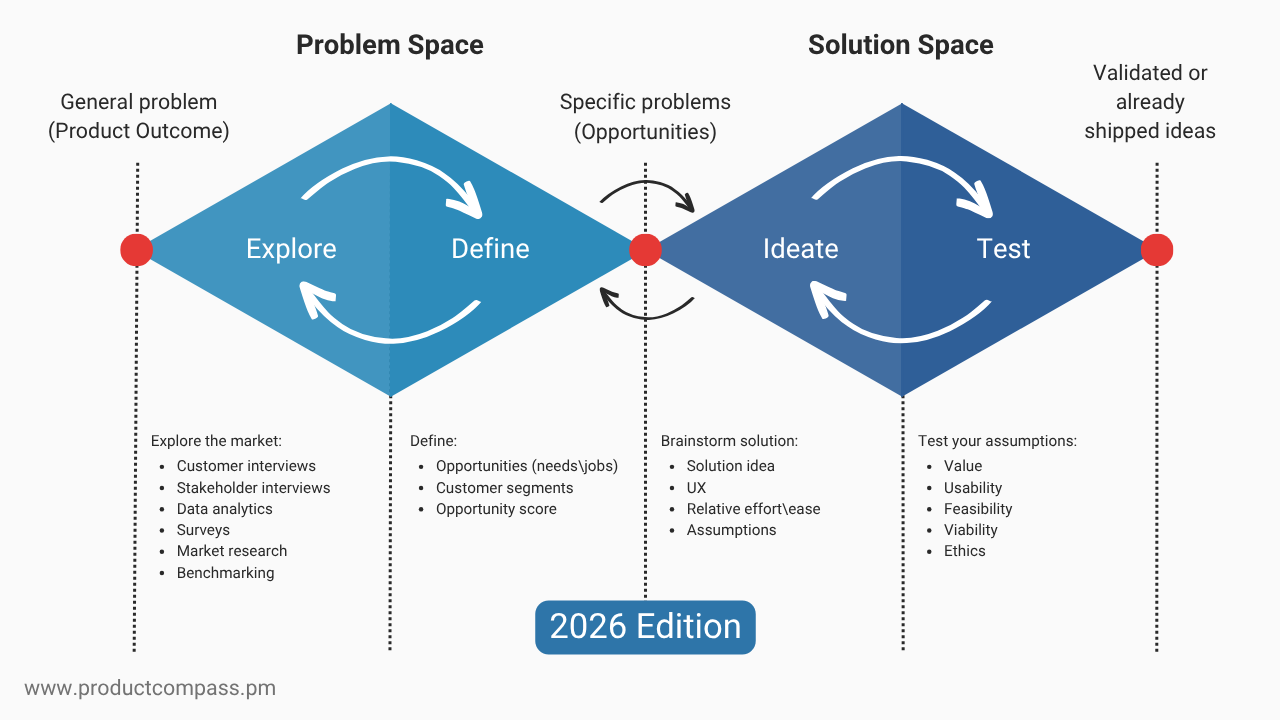
Value Risk: Will this idea truly create value for customers?
Usability Risk: Will users figure out how to use it?
Viability Risk: Can our business support it?
Feasibility Risk: Can we build it with our current technology?
Ethical Risk: Should we build it at all? Are there ethical considerations?
By exploring these questions early, you'll avoid committing to dead-end ideas. The goal of product discovery is still: discover what to build and address the biggest risks before you commit, so the team builds things people actually want that also work for the business.
The way we get there has changed a lot since 2022.
2. Shipping Became the Cheapest Experiment
The 2022 case against "learning by delivering" went like this: what happens if we throw random ideas into the Product Backlog? Some might work, but most won't. And the best ideas might not even be on the list. Unfortunately, this approach results in waste and rework.
Some kept saying it's not a problem, as the Sprint is often 1-2 weeks long. But this happened every Sprint. Every Sprint, the product team selected ideas, implemented them, and delivered a production-ready increment only to discover those were not good ideas.
And strong teams don't ship every two weeks anymore. As Marty Cagan notes in TRANSFORMED, strong product companies release several times per day. AI has only accelerated that. The waste the 2022 case feared no longer costs a sprint. It costs an hour.
Everything I build deploys on every push to a production branch. For example, Accredia won't go live until 10 automated user journeys pass in a real browser: real Clerk sign-ins, real quizzes, real certificates. An agent implements an idea, the suite verifies it, and the change is in production within the hour.
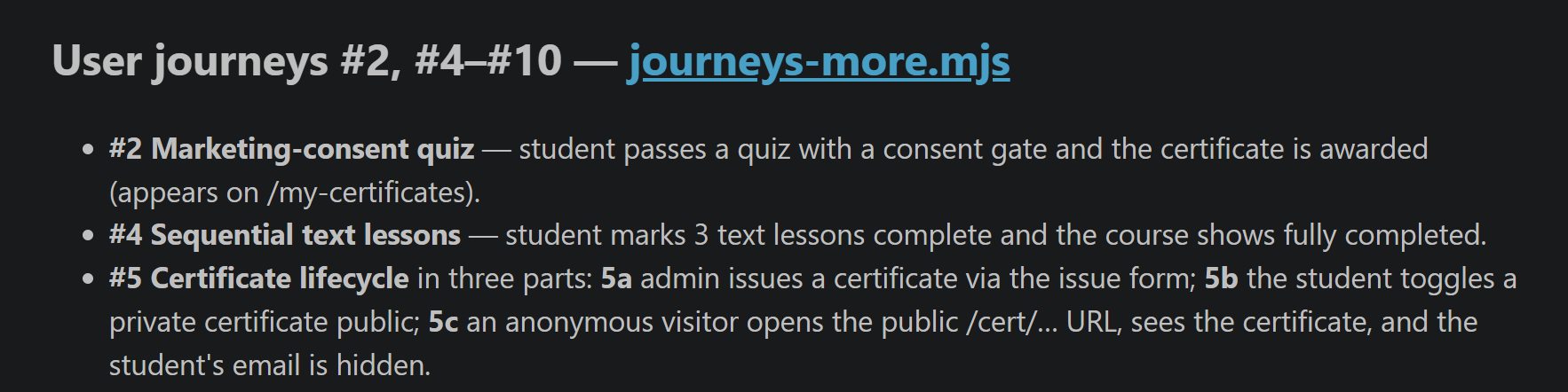
Another project, Grok Build for VS Code installed by 31K+ engineers (Open VSX, VS Code marketplace), has 1,082 unit tests executed on every push. 10 days ago, I shipped five releases in a single day.

Shipping without discovery is still an anti-pattern. But the reason is different now.
When building takes hours instead of sprints, the cost of shipping the wrong thing isn't failure. It's everything you didn't ship instead.
Two consequences:
Ship to learn: some ideas deserve 1-2 weeks of discovery. Others go live the same day, behind a feature flag, instrumented. It's often easier to ship than to run an experiment.
Do it responsibly: Cagan's discovery and delivery principles haven't moved. Protect revenue, reputation, customers, and colleagues while you experiment.
Team objectives decide what's worth shipping toward. If your team runs OKRs, use them as the filter, so all that speed points at an outcome.
3. Continuous Product Discovery in 2026
Continuous Product Discovery is how Product Discovery works for an existing product.
You might have heard about Dual-Track Development or Dual-Track Agile. It simply means having two streams running in parallel: Continuous Discovery and Continuous Delivery.

What's important here is that this is not a waterfall. Some team members talk to the customers, explore people's problems, brainstorm solutions, identify assumptions, and perform experiments. At the same time, the team implements and delivers validated ideas to the market. Discovery still answers the same question: what is worth building? Its output changed.
Discovery no longer produces a validated Product Backlog.
In 2022, we tested high-risk assumptions upfront because implementation was expensive. Today, when a safe, reversible idea takes 1-2 prompts to implement, building it can be the test, and not every idea needs a formal experiment first.
Your Opportunity Solution Tree can now hold both experiments and features:
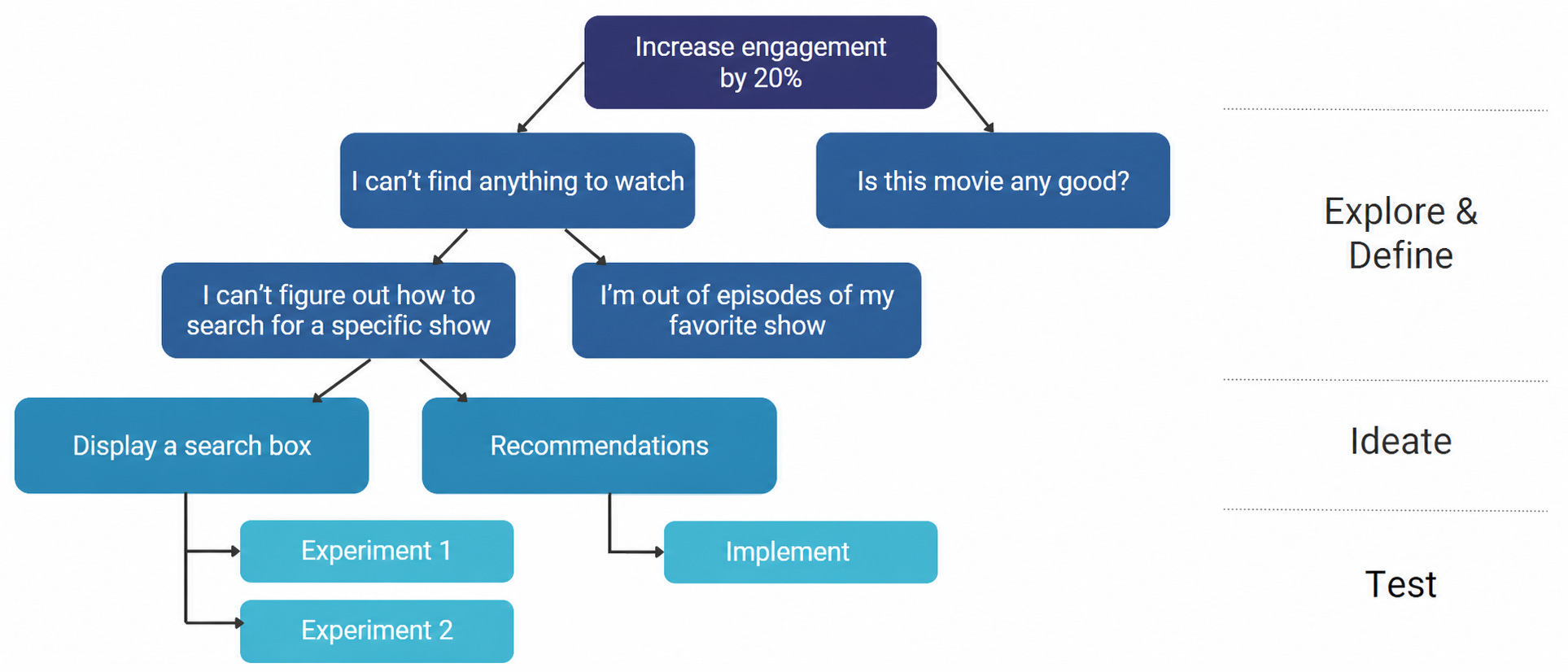
High-risk or hard-to-reverse ideas: test them with experiments, as always.
Cheap, reversible ideas: ship behind a flag and measure real usage.
The freedom to ship fast makes the problem space more important. If you don't understand the problem, faster shipping only produces more noise. Two classic tools got promoted:
Jobs to be Done: most teams that quote JTBD never run the formal framework, with job maps and outcome surveys. They ask simple questions instead: What job is the customer trying to do? How do they measure success? That's the right way to use it. The value is in JTBD inspiring the right questions.
User journey mapping: map where users actually struggle before deciding what to ship next. When you release daily, keep the map current.
The same shifts apply to Initial Product Discovery, when you're validating a brand-new product. The stages I described in the 2022 edition still hold, but prototypes that took weeks now take an afternoon. Time to Learn, the time from idea to validated insight, is the metric that matters.
4. The Product Trio Now Includes Agents
There is a common misconception. Some say that the Product Manager decides what to build, and Engineers and designers should focus on how to build it. Have you heard that before? It hurts my ears because Product Discovery is not a task for a single person.

In Continuous Discovery Habits, Teresa Torres introduced the concept of a Product Trio: Product Manager, Product Designer, and Engineer working together. I have repeatedly found that the best ideas often come from my engineers. They know what's technically possible. But the Trio was never about three people, it was about having the cross-functional competencies in one room: value, viability, usability, feasibility. The Product Trio is not a rigid framework. It's the default recommendation that can expand and contract.
In 2026, the roles behind those competencies are melting. Boris Cherny, the creator of Claude Code, reflecting on his own team:
"As engineering, product, design, DS, etc. melt into a new kind of role, I was reflecting on what roles might look like in the future... I also notice that these roles are not really tied to job function."
And the competencies no longer have to be human. Agents join discovery as team members: one synthesizes interviews, one builds the prototype, one wires the analytics. Seriously.
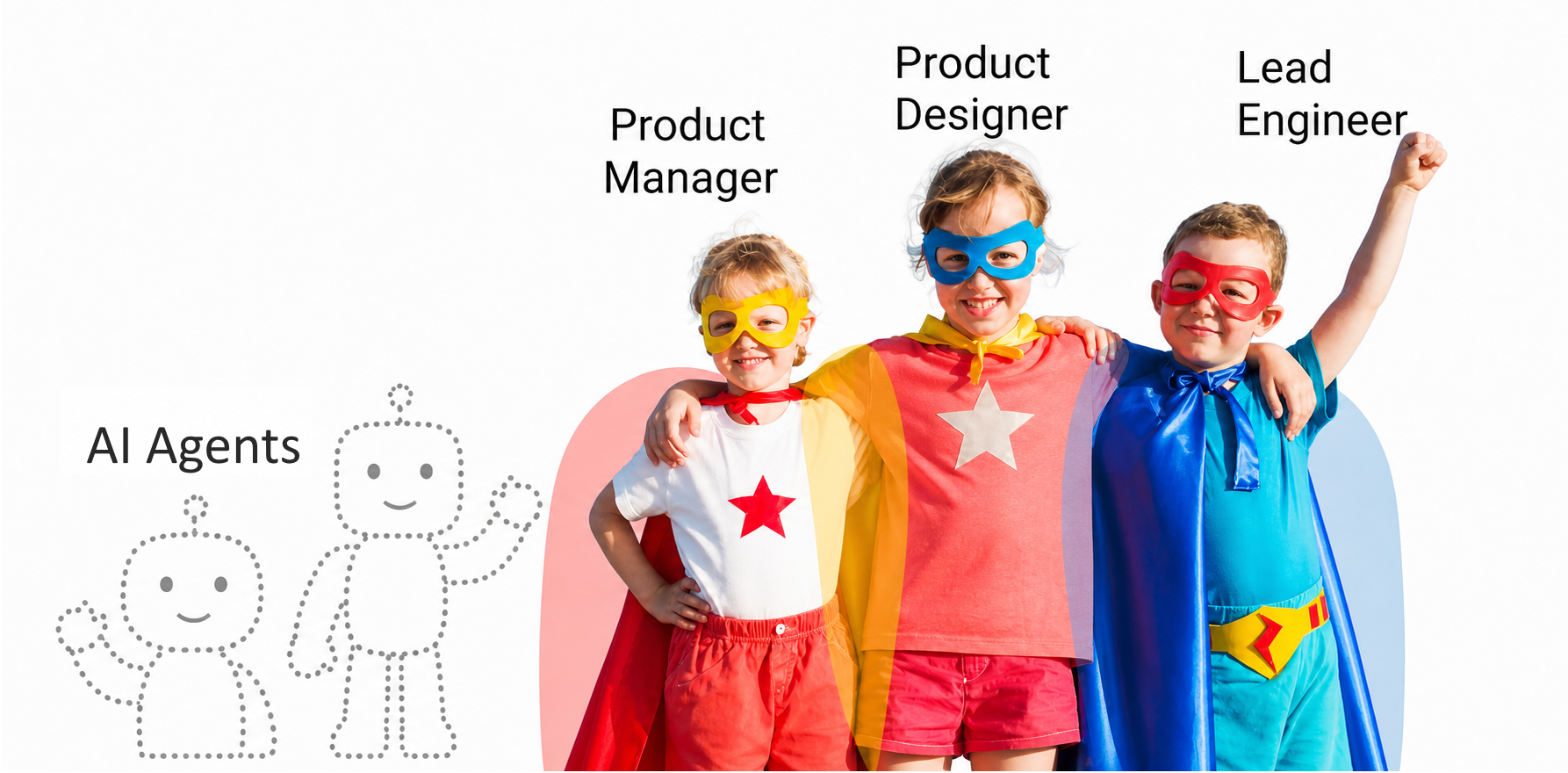
An agent, like a person, does poor work when you hand it tasks without context. Lead your agents like empowered teams: an objective, desired outcomes, context, and constraints, not a list of instructions. That's what my Intent Engineering framework is for, and it mirrors how Cagan defines team objectives.
In the premium part below:
Instrumentation without a data team: how agents build your dashboards the same day
Session recordings: the free tool that shows you why users drop off
Product data intuition: what to watch when you release daily
My Continuous Product Discovery Template (Notion): interviews, opportunities, ideas, and hypotheses in one system
🔒 5. Instrumentation and Data Intuition
🔒 6. What Stays Manual, On Purpose
For paid subscribers.
🔒 7. The Continuous Product Discovery Template
To put this into practice, premium subscribers get my Continuous Product Discovery Template (Notion).
It covers the four things you’re juggling in every discovery cycle:
Interviews: what you heard
Opportunities: problems and needs worth solving
Ideas: candidate solutions
Hypotheses: what you’re testing or shipping, and what happened
Duplicate it, bring your team (and your agents), and run your first cycle this week!
8. Resources
Everything referenced in this guide, plus the deeper dives:
Frameworks and techniques:
The product model:
AI and discovery:
Books: start with Inspired and Continuous Discovery Habits.
Premium subscribers can also enroll in the Continuous Product Discovery Masterclass video course for free.
Final Thoughts
Product Discovery doesn't have to be complicated. The key is to stay curious about your users, test ideas early, and collaborate with your team to build solutions people actually want. It used to be how you avoided wasting a sprint. Now it's how you decide what all that speed is for.
Learn discovery, then run it at 2026 speed: ship the cheap ideas, test the risky ones, and keep the customer conversations for yourself.
Tomorrow (Thursday), we'll have a live session to discuss this in practice and answer your questions. Details and invitations for paid members: go.productcompass.pm/events.
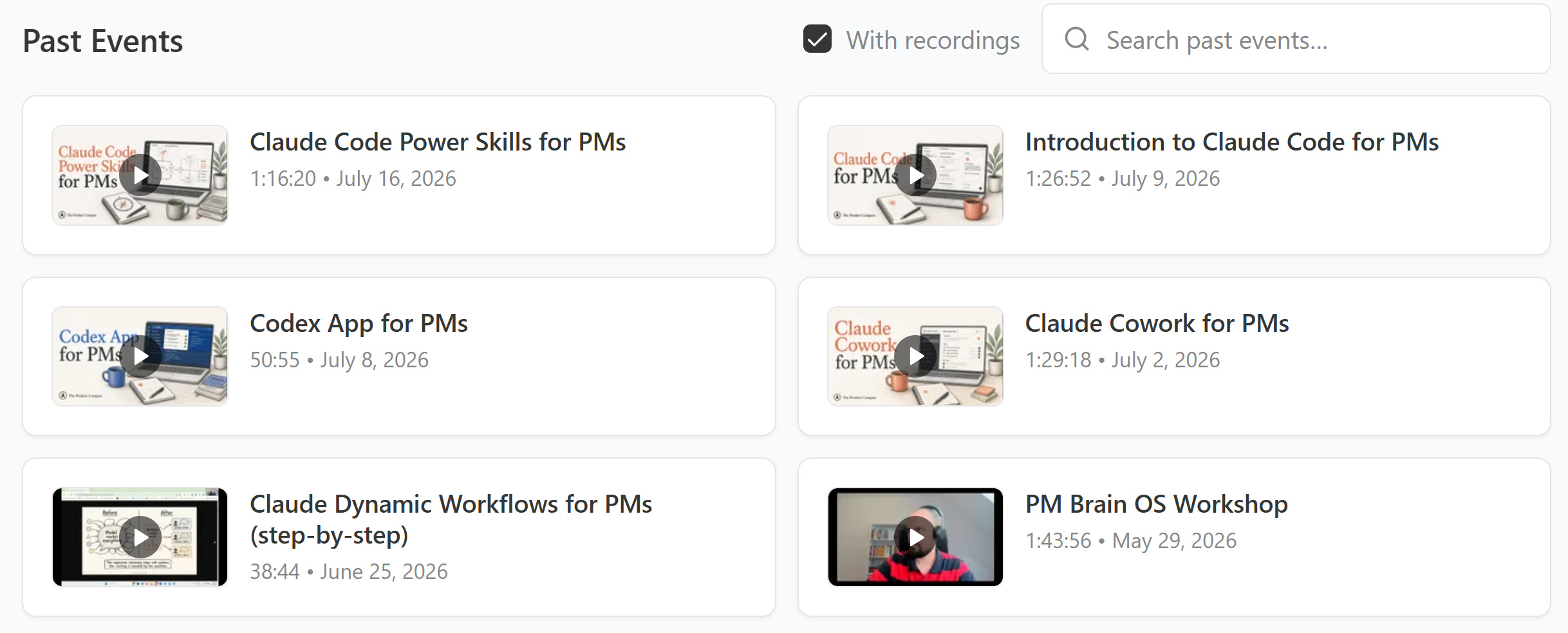
Some of our previous events available in the archive:
Thanks for Reading The Product Compass
It’s amazing to learn and grow together.
Have a fantastic rest of the week,
Paweł