

At first I loved Opus 5.
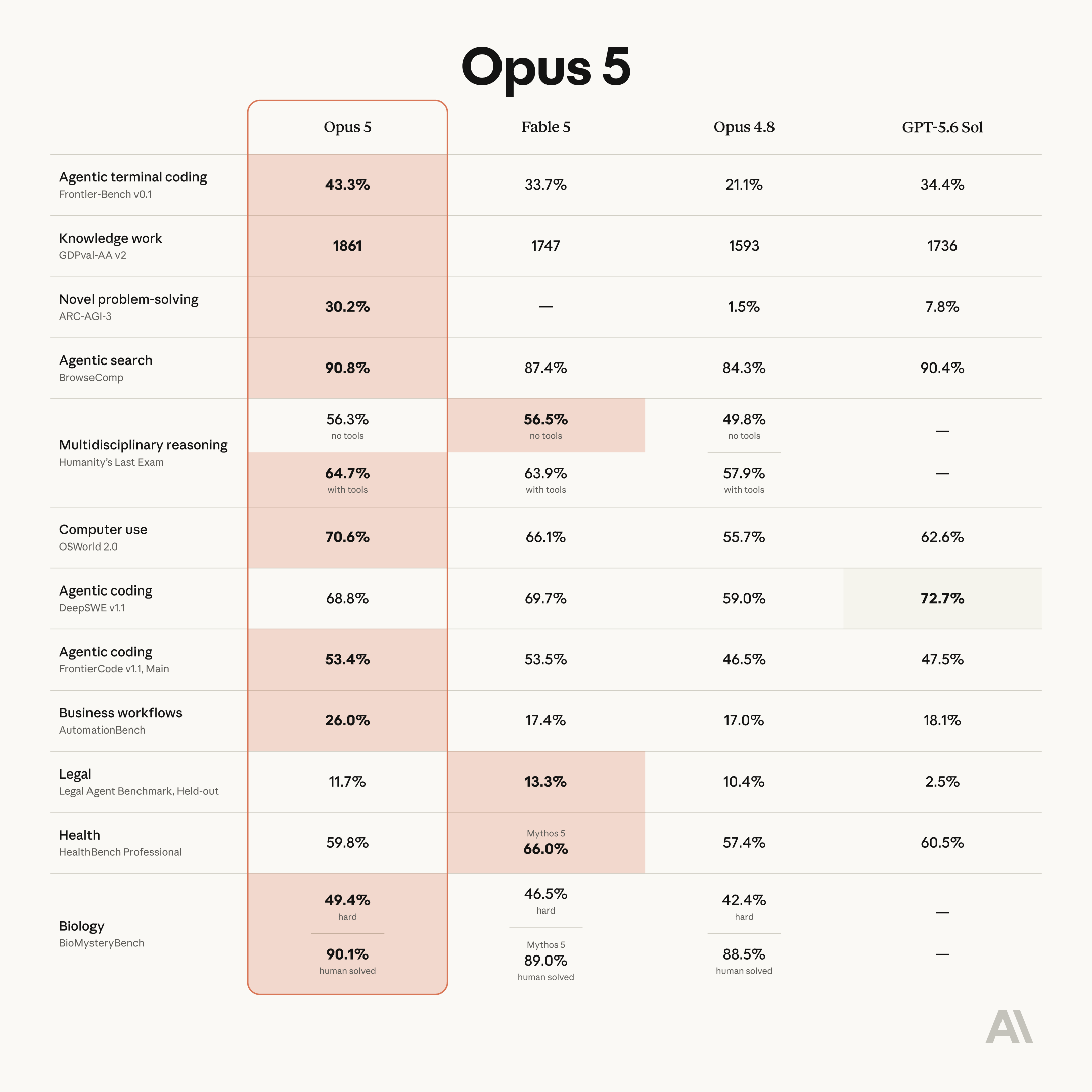
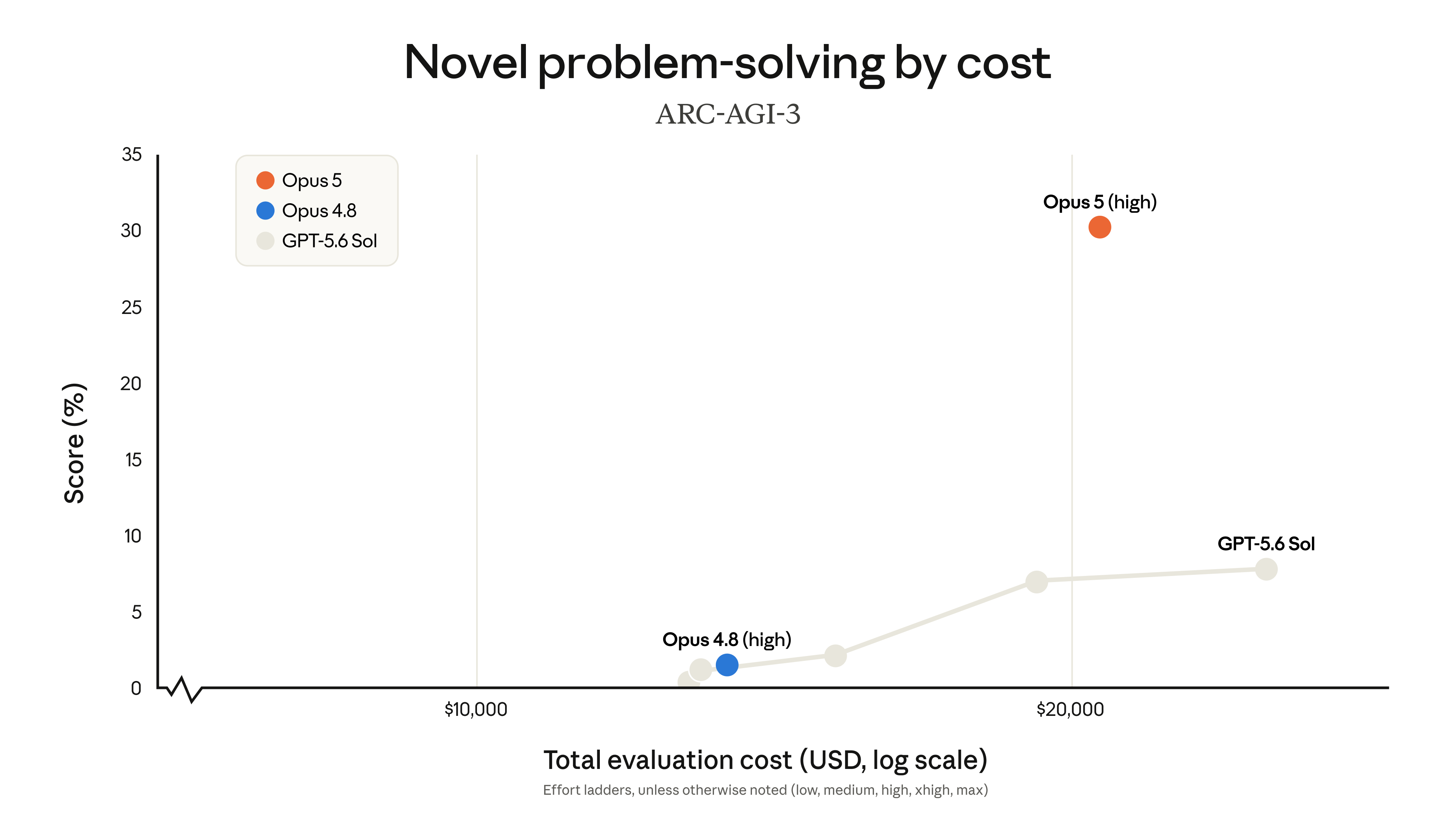
On July 24, Anthropic put it at the top of nearly every test they publish:
But then I used it for a few days. The more I worked with it, the less I liked it.
And it’s not just me. For example:

My timeline has looked like this for two weeks. “Cancel the subscription.” “Bring back 4.6.” “Anthropic broke it.”
The closest thing to advice out there is this:

Right diagnosis, half a prescription. “Delete everything” and you also delete the half no model can guess: your preferences, the decisions you already made, the strategic context.
Here is what I think happened:
Anthropic removed 80% of Claude Code's system prompt and was proud of it. I measured the cut: 2,686 words down to 514.
As Kun Chen explained, Anthropic also pushed reinforcement learning too far toward long jobs. It was trained to work without you, so it stopped working with you:

Both mean this model needs more instructions, not fewer.
Luckily, you can heal it.
I never switched away from Opus 5. Every time a failure repeated, I wrote the rule that stopped it, then kept working. After two weeks, eight blocks survived.
With them, Opus 5 is the best Opus I have used by a large margin.
1. Act. Don't Ask.
The failure: Opus 5 stops to ask for permission when the decision is obvious.
It pauses mid-task to ask whether it should follow the naming convention visible in the folder it just read. Or it finishes real work and ends with "want me to also update the documentation?" I got that exact ending five times in one session.
A block you can copy and paste into your CLAUDE.md:
## Act. Don't ask.

Reversible and cheap? Do it, then tell me. Research, data pulls, analysis,
drafts, refactors inside the scope I gave you, testing an API. A question costs
me more than a re-run costs you.

Ask first only for: anything reaching an audience, anything we cannot undo,
anything expensive.

Before you hand something back as blocked, try it. Read the API. Check the flag.
Run the command. "Can you do X?" when the answer was yes wastes a round trip
and buys nothing.

Something is broken? Fix it. Reporting an issue you could have fixed turns your
work into my to-do list.
That last paragraph came from a morning when it turned out that my X scheduled job had been failing for days. The agent reported it, and waited. I reacted 2 days later. The fix was one command.
2. A Question Is a Question
The failure: you ask a question and Opus 5 starts changing things. Like a psychopath.
I ask "how could we improve this?" and it starts rebuilding a feature.
## A question is a question

When I ask a question, answer it. Do not implement it.

"Why is this failing?" is not "make it stop failing."
"Should we use X?" is not "migrate everything to X."
"What would it take to add Y?" is not "add Y."

When in doubt, assume it is a question. Answer first. Act when I say go.

Full freedom about how. None about what.3. Done Means Done
The failure: it does four of the five things you asked, then reports done. Until you ask “everything?”
## Done means done

Done means done. Not half done. Not done except for the part you decided to skip.
And not a report about how it will be done.

Five things asked means five things delivered, no matter how long they take.
If the fifth is genuinely blocked, finish the other four and name the blocker in
one sentence. The specific blocker. Not "this needs more investigation."

"I'll continue in the next message" is not a state this project has.
🔒 Thanks for reading. 5 more blocks left. Consider upgrading to continue and support my work.